Already a subscriber? Make sure to log into your account before viewing this content. You can access your account by hitting the “login” button on the top right corner. Still unable to see the content after signing in? Make sure your card on file is up-to-date.
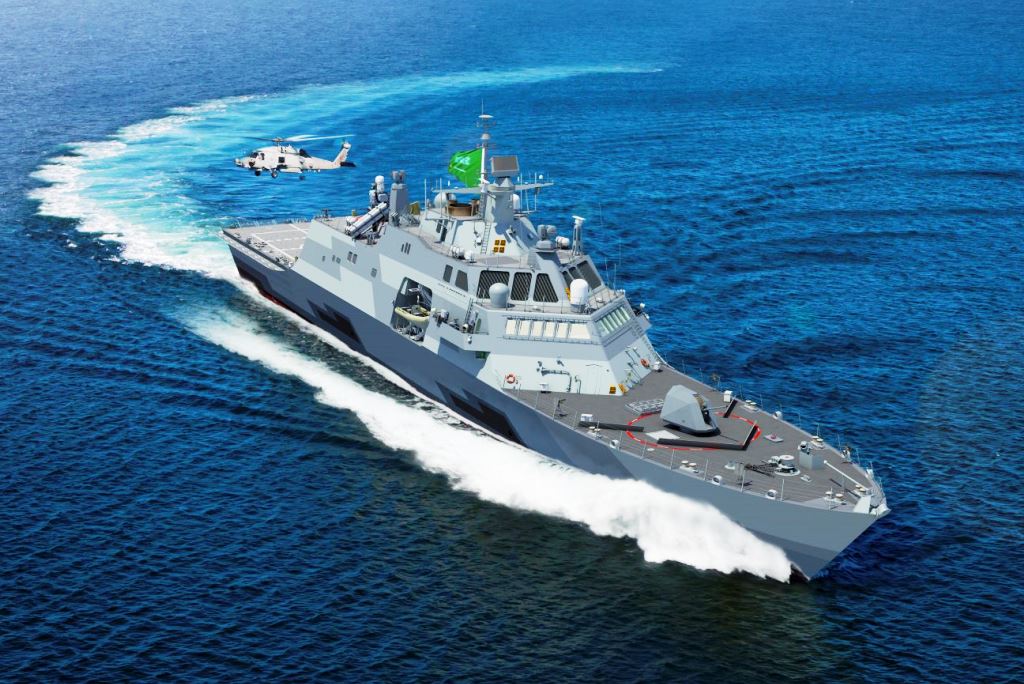
Saudi Arabia has launched a multinational maritime coalition to protect Red Sea shipping after Yemen’s Houthi rebels declared a naval blockade on Saudi vessels, choking one of the last routes the kingdom has left to move its oil.
Some shit you should know before you dig in: Before the war with Iran started in late February, up to 80% of Saudi crude went out through the Strait of Hormuz, a waterway that carried roughly a fifth of the world’s oil and gas exports until Iran effectively shut it. With Hormuz closed, the kingdom now leans on the East-West pipeline, which hauls crude overland to the Red Sea terminal at Yanbu. The problem is that everything leaving Yanbu has to squeeze through Bab al-Mandeb, a channel 18 miles wide at its narrowest, with the Houthis holding the Yemeni province facing it. Roughly 10% of global maritime trade passes through there, and it is one of only two ways in or out of the Red Sea, the other being Suez. Recently, the Houthis announced a total blockade on Saudi vessels transiting the Red Sea. They say they will lift it when Saudi Arabia lifts its own blockade on Yemen, framing the dispute as being about Yemen rather than Iran.

What’s going on now: Saudi Arabia, Turkey, Egypt, Pakistan, Sudan, Djibouti, Kuwait, Bahrain, Qatar, Jordan, Somalia, Bangladesh, and the Comoros signed a joint statement Thursday establishing the Multinational Maritime Defense Alliance. The members will share intelligence and operational planning, run joint exercises, and conduct maritime operations. The statement says the alliance is “purely defensive in nature and does not target any state” and that participants believe “maritime security is a shared responsibility.”
Two absences stand out. Oman and the UAE both stayed off the list, even though their own shipping faces the same threat. Germany, France, the UK, Italy, and the US all got invitations from Riyadh, but one diplomat said some Western officials wanted a clearer picture of what membership would actually obligate them to do before signing on.
This all comes after the Houthis ran up a list of attacks on ships tied to the kingdom. On July 25 the group said its strikes had reached “sensitive” oil transport infrastructure on Saudi soil, the kind that feeds crude from the eastern fields toward the coast. A third Saudi commercial ship was hit in the Red Sea not long after Saudi jets bombed Houthi positions around the port of Hodeidah.
The Houthis reject the idea that they plan to start taxing everything that passes, and it remains unclear whether the blockade targets Saudi vessels alone or shipping generally.