Already a subscriber? Make sure to log into your account before viewing this content. You can access your account by hitting the “login” button on the top right corner. Still unable to see the content after signing in? Make sure your card on file is up-to-date.
American stockpiles of the two air defense missiles that stop ballistic threats have fallen by roughly two-thirds since the Iran war started.
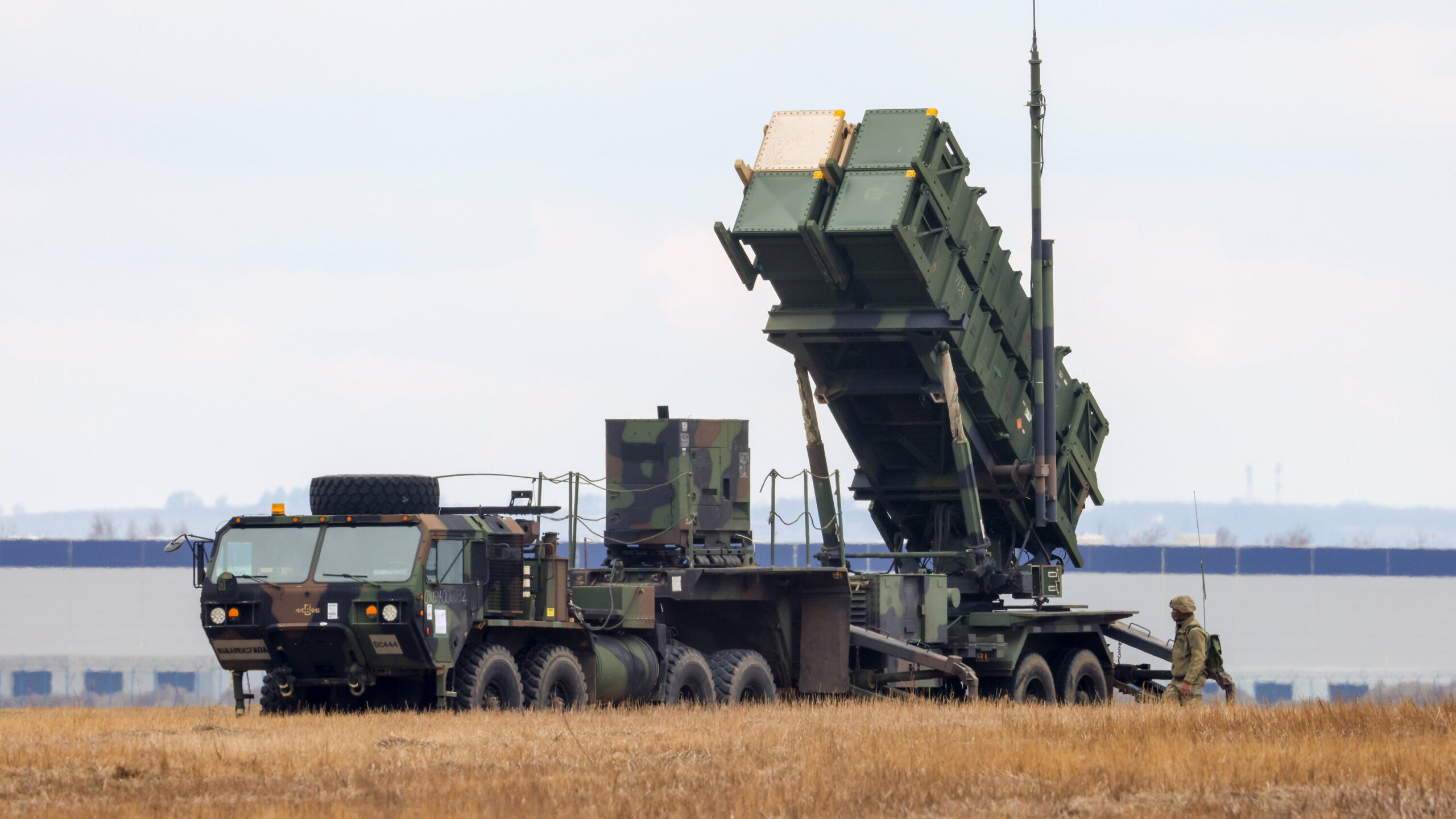
Getting into it: The Center for Strategic and International Studies put out an updated assessment this week revising an April 8 report published as the ceasefire took hold. Before combat began Feb. 28, the US had roughly 2,200 to 2,330 Patriot interceptors across its two most modern variants and 452 THAAD missiles. The April report found Patriot stocks down 55%. The revised count knocks off another 10 points, bringing the total decline to about 65% and leaving between 759 and 827 Patriots on hand.
THAAD stands at just under 278, down 38% from prewar levels, even after a resupply that put roughly 12 rounds back in inventory. Three people who have seen the internal Pentagon numbers told CNN the CSIS estimates land in the same range.

Patriot and THAAD are the primary tools the US military has for shooting down incoming ballistic missiles. “Diminished stockpiles may force the United States and its coalition partners to take more risks with interceptions,” the report’s authors wrote. “There are no good alternatives to Patriot and THAAD for ballistic missile defense. Navy ships, with Standard Missiles that can intercept such threats, generally are too far away.”
Replacing them is slow and expensive. A PAC-3 MSE Patriot interceptor costs around $4 million, the US builds 183 a year, and CSIS says it takes about three and a half years from contract signature to delivery.
The shortage is already changing behavior. Mark Cancian, a retired Marine colonel and CSIS senior adviser who led the report, said commanders facing an incoming missile aimed at an empty stretch of a base may increasingly hold fire. “They may just let it go and accept the fact that there might be some small amount of damage,” he said. NBC News has reported commanders are already doing exactly that.

Despite all of this, the administration disputes the framing. Trump said aboard Air Force One that inventories are “in very good shape” while acknowledging he would like to replenish “the more sophisticated stuff.” Chief Pentagon spokesman Sean Parnell has sent the same statement three times since April, saying the military “has everything it needs to execute at the time and place of the President’s choosing.”
Trump and Defense Secretary Pete Hegseth have blamed the Biden administration, arguing it shipped weapons to Kyiv faster than it backfilled them.
This all comes as the Pentagon asks Congress for supplemental funding tied partly to the shortfall, with the administration seeking $95 billion for munitions in its fiscal 2027 defense budget request and another $21 billion through the war supplemental.
Related posts:
 Updates From Middle East
 Pentagon Announces Deal With Lockheed Martin and BAE Systems to 4x THAAD Interceptor Production
 A Deep Dive: Influencers and “Independent” Journalists on Both Sides Being Paid to Advance Political Talking Points
 Israeli Air Defenses Now Only Intercepting 65% of Incoming Missiles, Running Low on US-Supplied Interceptors