Already a subscriber? Make sure to log into your account before viewing this content. You can access your account by hitting the “login” button on the top right corner. Still unable to see the content after signing in? Make sure your card on file is up-to-date.
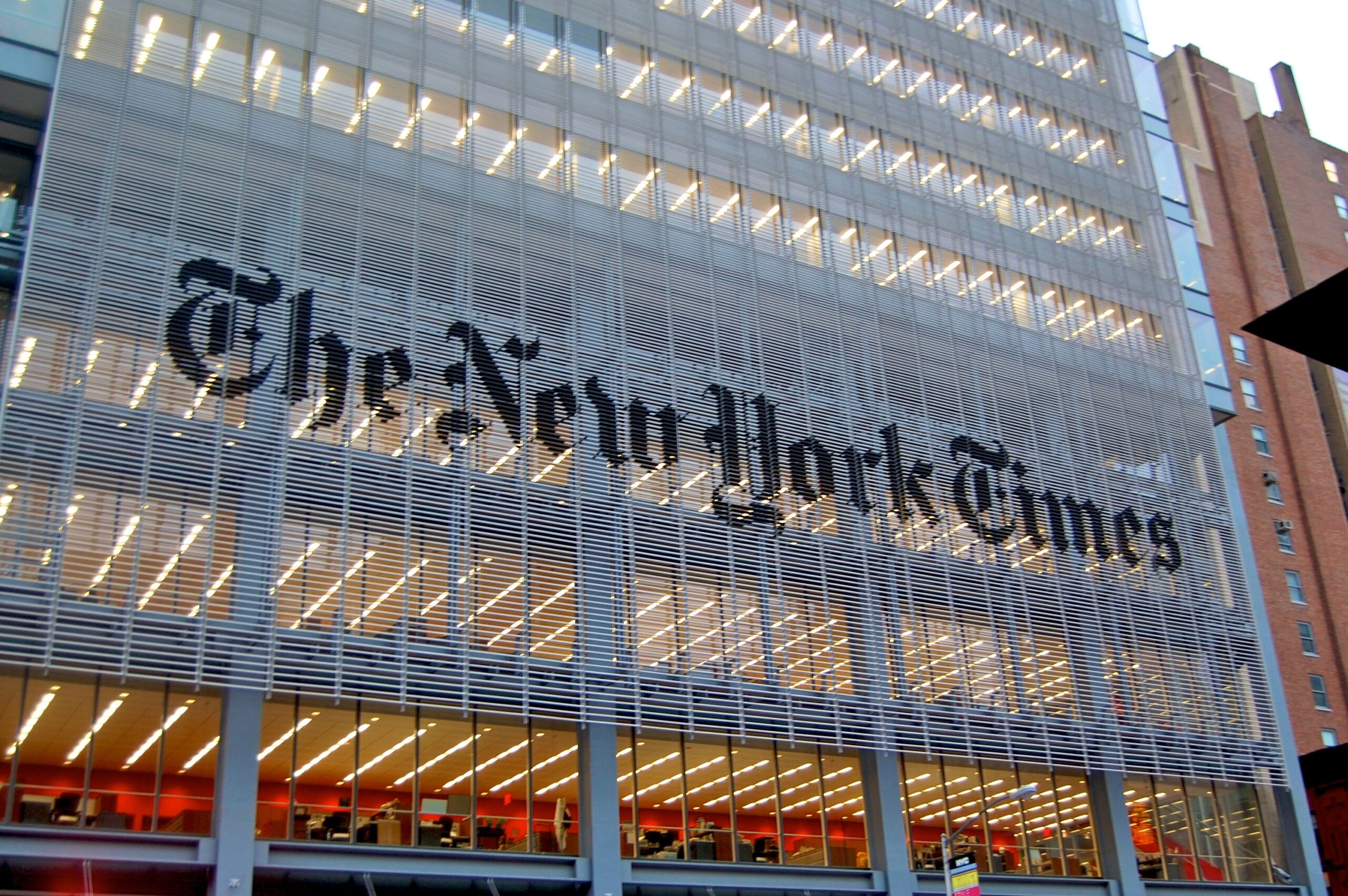
The Justice Department has sought phone records belonging to New York Times journalists and their family members, including one reporter’s mother and two reporters’ spouses, as part of a leak investigation into the paper’s reporting on security gaps in the Qatari-gifted Air Force One jet.
Some shit you should know before you dig in: Earlier this month, the Times reported that federal officials had serious concerns about the Boeing 747-8 that Qatar gifted the administration and that the US spent $400 million retrofitting, including that it lacked antimissile systems and other defensive countermeasures found on the existing Air Force One fleet. Trump flew the jet to Turkey but returned on an older aircraft at the Secret Service’s urging. He was reportedly furious about the story, and the White House put FBI Director Kash Patel in charge of the leak investigation, which opened within days of publication. On July 10, the DOJ served grand jury subpoenas on three Times journalists at their front doors, seeking testimony about their sources, a move press freedom groups condemned immediately.

What’s going on now: The phone records subpoenas came to light in a motion filed by lawyers for the Times and unsealed Monday by Judge Arun Subramanian. According to the lawyers, the DOJ went to third-party phone companies rather than the journalists themselves, seeking calls and text messages, and swept in relatives: one reporter’s mother, described in the filing as a mental health professional with “confidential client relationships,” and two reporters’ spouses, one of whom is general counsel at a major law firm.
The Times argues the scope gives away the game. Two of the subpoenas reach back to January 1, well ahead of anything the paper published on the jet. “That timeframe strongly suggests that the Department is using this investigation not to focus on any purported concerns arising from the July 8 and 9 articles, but instead to forage for information about the Journalists’ source relationships more broadly,” the paper’s lawyers wrote.
They also said the DOJ sat on the notification for a week, breaking its own rules for media subpoenas, and demanded the records “without first conducting any serious investigation.”

The DOJ is pushing back on that characterization, saying any subpoena it issues “is done so in full compliance with federal law and internal Department policy.”
The department has previously insisted “reporters are not the targets, those leaking classified information are,” adding that “we recognize there may always be natural tension there, but we are not going to ignore the law and stop investigating the people who work in the administration and think it’s OK to leak classified information impacting national security.”
Related posts:
 DOJ Subpoenas Four New York Times Journalists Over Air Force One Security Reporting
 Updates From Middle East
 US Announces New Time Limits on Foreign Journalist Visas, Capping Most at 240 Days & Chinese Reporters at 90
 A Deep Dive: Influencers and “Independent” Journalists on Both Sides Being Paid to Advance Political Talking Points