Already a subscriber? Make sure to log into your account before viewing this content. You can access your account by hitting the “login” button on the top right corner. Still unable to see the content after signing in? Make sure your card on file is up-to-date.
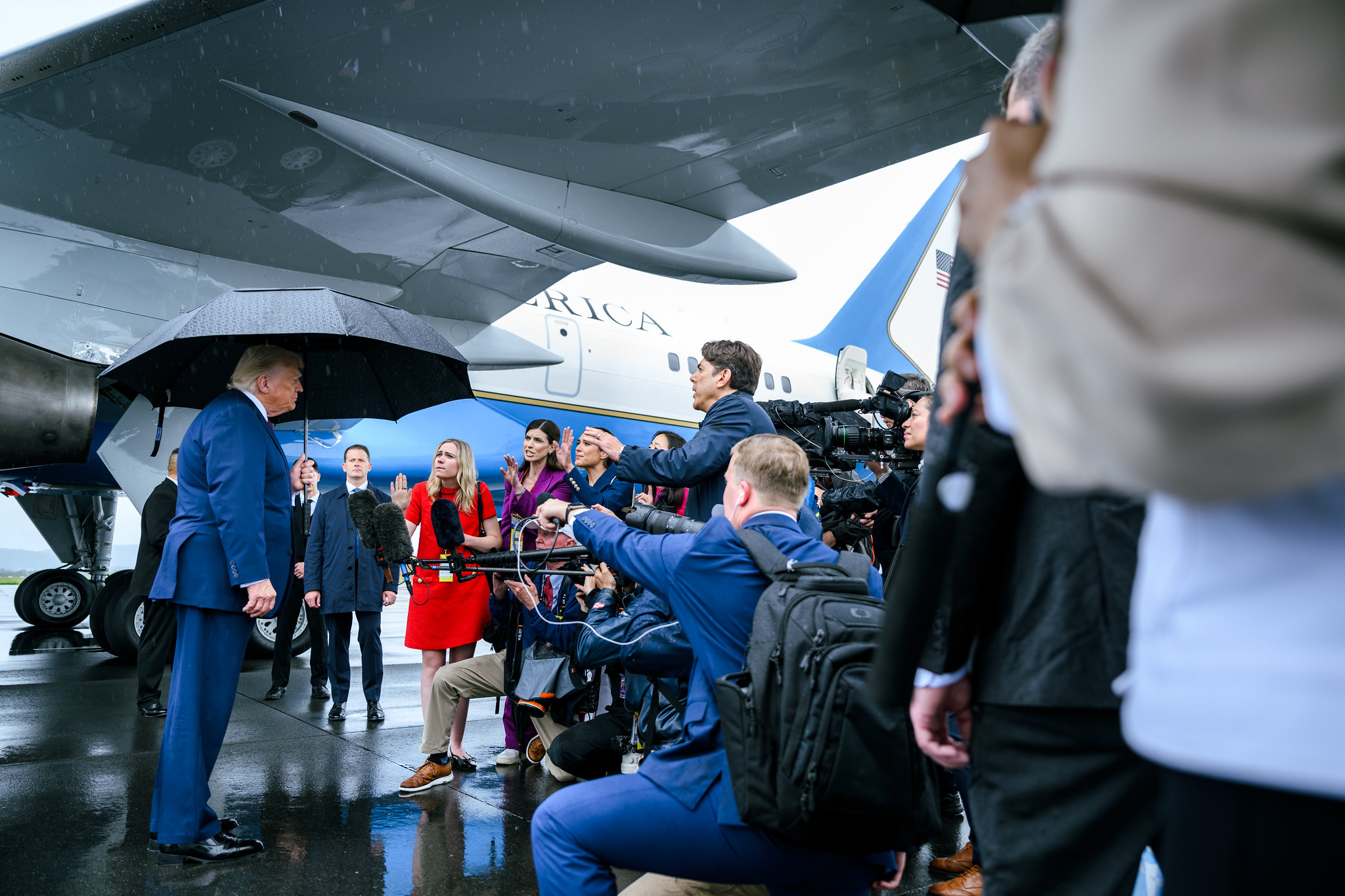
The Trump administration has issued a new rule limiting how long foreign journalists can stay in the US.
Some shit you should know before you dig in: Until now, foreign journalists have worked under a “duration of status” system, meaning they could stay as long as their assignment lasted and they kept meeting the requirements, with visas running up to five years. DHS calls it a loophole that let media representatives, foreign students, and exchange visitors “remain in the United States indefinitely without routine government oversight.” DHS says the US admitted about 37,300 foreign journalists in fiscal year 2024.

What’s going on now: The new rule caps most foreign journalists at 240 days per admission and holds Chinese journalists to 90 days. Anyone who wants more time has to file for an extension and get screened again on national security grounds. It takes effect 60 days after publication in the Federal Register, and journalists still on the old open-ended terms begin transitioning off them in September 2026. The same rule tightens the terms for international students, generally capping them at four years, and for exchange visitors.
In a statement, DHS Secretary Markwayne Mullin said, “For nearly half a century, the outdated ‘duration of status’ system has compromised national security and created an environment ripe for immigration fraud.” He added that by setting “clear, finite limits,” the US “is reclaiming its ability to properly screen, vet and monitor individuals within our borders.”

Press freedom groups came out swinging. Reporters Without Borders said it was “outraged” by the change and warned that “the relentless cycle of visa renewals restricts press freedom, as journalists will feel compelled to avoid drawing the administration’s ire, lest their applications be rejected.” The Committee to Protect Journalists called the policy “the behavior of a backsliding democracy, not the international vanguard of free speech.”
China objected too, with Foreign Ministry spokesperson Lin Jian calling the policy “discriminatory” and urging the US to revoke it, adding that Beijing “reserves the right to take reciprocal countermeasures.”
Related posts:
 Updates From Middle East
 Trump Administration to Impose New Time Limits on Visas for Foreign Students & Journalists
 Trump Says He Supports Allowing More Press Into Gaza, Comes After Netanyahu Says Foreign Journalists Will Now Be Allowed In
 A Deep Dive: Influencers and “Independent” Journalists on Both Sides Being Paid to Advance Political Talking Points