Already a subscriber? Make sure to log into your account before viewing this content. You can access your account by hitting the “login” button on the top right corner. Still unable to see the content after signing in? Make sure your card on file is up-to-date.
The United States is set to unveil a new website aimed at allowing users in Europe and other regions to access online content restricted under local laws.
Getting into it: The website, www.freedom.gov, is being developed by the State Department as a portal designed to let users view material blocked under certain foreign regulations, including content categorized as hate speech, extremist propaganda, or disinformation. According to sources speaking to a few news outlets familiar with the plan, the site may incorporate a built-in virtual private network (VPN) function that would route users’ traffic through US-based servers, making it appear as though they are browsing from within the United States. Officials have also discussed not tracking user activity on the platform, positioning it as a privacy-protective alternative for individuals seeking unrestricted access to information.

The website will be pitched by US officials as a digital freedom initiative and is expected to centralize access to content that may have been removed or restricted under European regulatory frameworks. In the European Union, laws such as the Digital Services Act and the Online Safety Act require large platforms to quickly remove illegal hate speech, terrorist content, and certain forms of harmful “disinformation.” These measures have led to enforcement actions against major American technology firms, including fines and investigations targeting companies such as Meta and X.
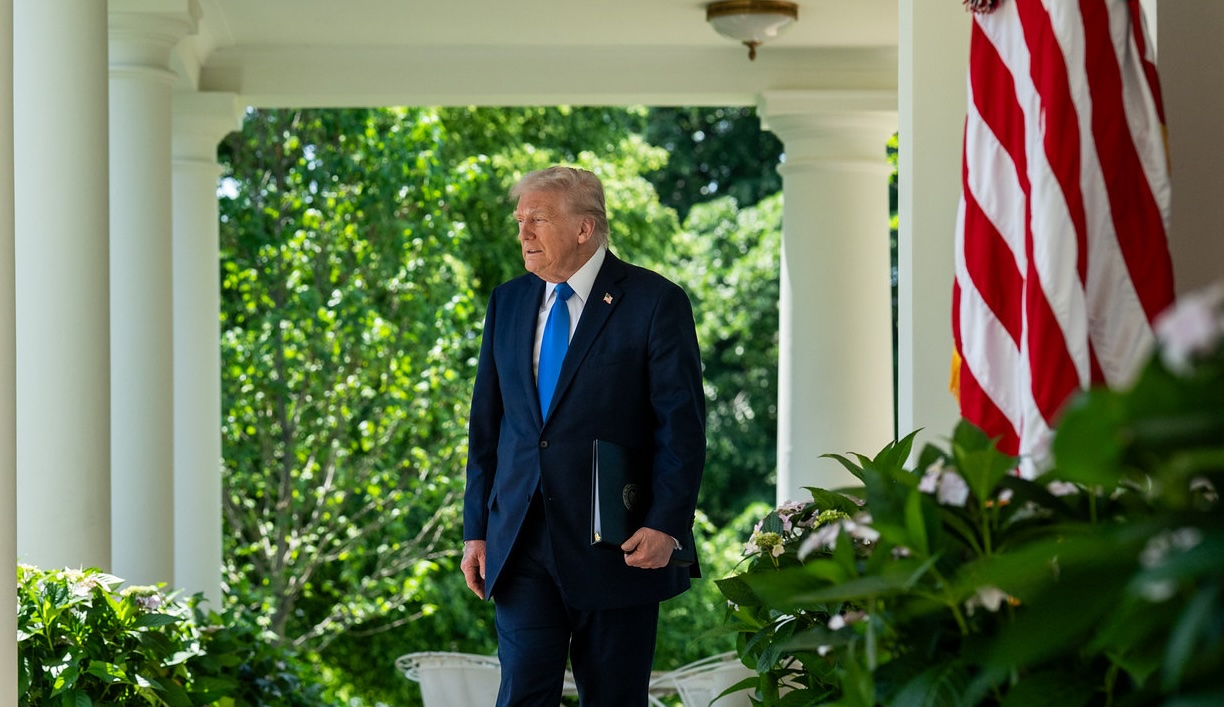
President Donald Trump and members of his administration have repeatedly criticized EU regulators for what they describe as disproportionately targeting US tech companies and suppressing conservative or right-leaning political speech.
This all comes as supporters of this initiative argue it represents a bold defense of free expression and a direct counter to what they see as overreach by European authorities. At the same time, critics warn that the initiative could be viewed as encouraging users to circumvent the laws of allied nations (which they argue could strain diplomatic relations).
Related posts:
 Updates From Middle East
 A Deep Dive: Influencers and “Independent” Journalists on Both Sides Being Paid to Advance Political Talking Points
 Australian Authorities Vow to Crack Down on “Hate Speech” & Gun Laws Following Terror Attack
 EU Accuses TikTok & Meta of Violating Digital Services Act, Could Result in Shitloads of Fines